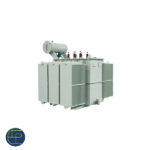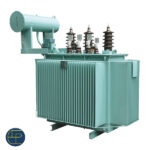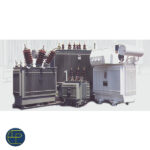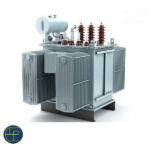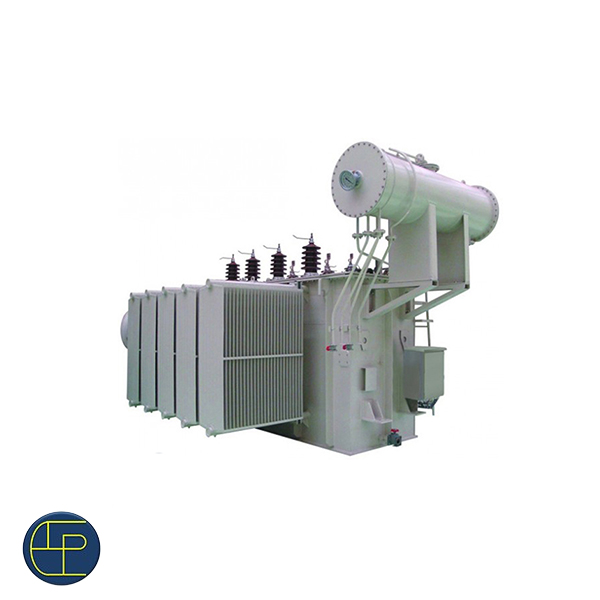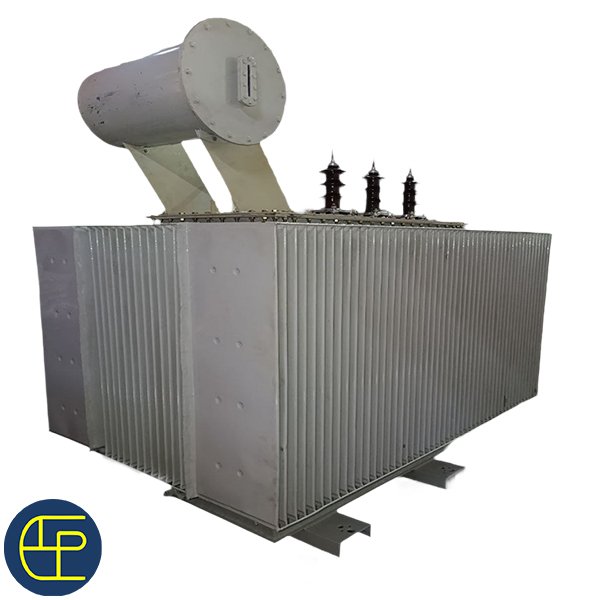
Distribution Transformer (100 kVA to 4,000 kVA) – Integrated Power & Engineering
At Integrated Power & Engineering, we manufacture and supply high-performance Distribution Transformers designed to deliver safe, stable, and efficient power for residential, commercial, and industrial use.
Built with premium-grade materials and modern insulation techniques, our transformers are made to perform reliably in real operating conditions—protecting electrical equipment, maintaining steady voltage, and improving overall network performance, even in demanding environments.
Whether you’re expanding a utility distribution network, powering an industrial facility, connecting solar generation to the grid, or supplying a commercial complex, our distribution transformers are engineered to meet your project needs with long service life and high energy efficiency.
Product Overview
Reliable Power for Every Network
A distribution transformer plays a critical role in stepping down medium voltage (MV) to low voltage (LV) for safe end-user consumption. When designed properly, it reduces technical losses, stabilizes voltage, and ensures continuous operation under changing load conditions.
At Integrated Power & Engineering, every distribution transformer is designed, manufactured, and tested with a focus on reliability, efficiency, and compliance—so utilities and end users can depend on consistent power delivery.
Technical Specifications
Power Rating
- 100 kVA to 4,000 kVA
- Custom designs available for special capacity requirements and site conditions
Primary Voltage (HV)
- 11 kV / 33 kV
- Custom HV levels available based on utility approval and application needs
Secondary Voltage (LV)
- 0.415 kV / 0.24 kV
- Tailored LV configurations available to match project-specific load profiles
Cooling Type
- ONAN (Oil Natural Air Natural) – standard, efficient passive cooling
- ONAF (Oil Natural Air Forced) – available for higher load or high ambient temperature applications
Phase Configuration
- Three-phase (standard) – suitable for most distribution and industrial networks
- Single-phase (optional) – available for specific network or rural applications
Standards & Compliance
Our distribution transformers are manufactured in accordance with applicable standards and utility requirements, including:
- IEC standards
- ANSI standards
- IS standards
- Utility-approved technical specifications and guidelines
Key Features & Performance Benefits
Stable Voltage & Load Protection
Our transformers are designed to maintain regulated output voltage under varying load conditions, helping protect downstream equipment such as switchgear, motors, control panels, and sensitive industrial systems from stress and failure.
Built Tough for Long Service Life
Each transformer is constructed with durability in mind:
- High-grade CRGO magnetic core for reduced losses
- Copper windings, selected based on design and customer preference
- Robust tank construction with quality sealing
This ensures reliable operation over many years with minimal maintenance.
Proven Across Multiple Sectors
Our distribution transformers are trusted in:
- Utility and power distribution networks
- Commercial buildings and real estate developments
- Industrial plants and manufacturing facilities
- Hospitals, universities, and institutional campuses
- Infrastructure and public service projects
They are suitable for both urban and rural distribution systems.
Energy-Efficient, Low-Loss Design
Lower losses mean lower operating cost. Our transformers are engineered to achieve:
- Low no-load losses during light or idle operation
- Low load losses at full capacity
This improves overall system efficiency and reduces lifecycle costs for utilities and end users.
Designed Around Your Project
We don’t believe in one-size-fits-all solutions. Our transformers can be customized for:
- Voltage class and tap settings
- KVA rating and impedance levels
- Copper windings
- ONAN or ONAF cooling
- Renewable energy or industrial load characteristics
If you have a project specification or consultant requirement, we design to match it.
Typical Applications
- Solar and wind power grid integration
- Urban and rural power distribution networks
- Industrial and manufacturing facilities
- Residential and commercial developments
- Hospitals, universities, and infrastructure projects
From new substations to power upgrade projects, our distribution transformers are built for secure, continuous, and efficient power delivery.
Why Choose Integrated Power & Engineering?
- Wide capacity range: 100 kVA to 4,000 kVA
- Standard and custom MV options: 11 kV / 33 kV
- Flexible LV outputs: 0.415 kV / 0.24 kV and customized
- High-efficiency, low-loss designs
- Durable construction using CRGO core and copper/aluminum windings
- Compliance with IEC / ANSI / IS standards
- Custom engineering support for utility, industrial, and renewable projects