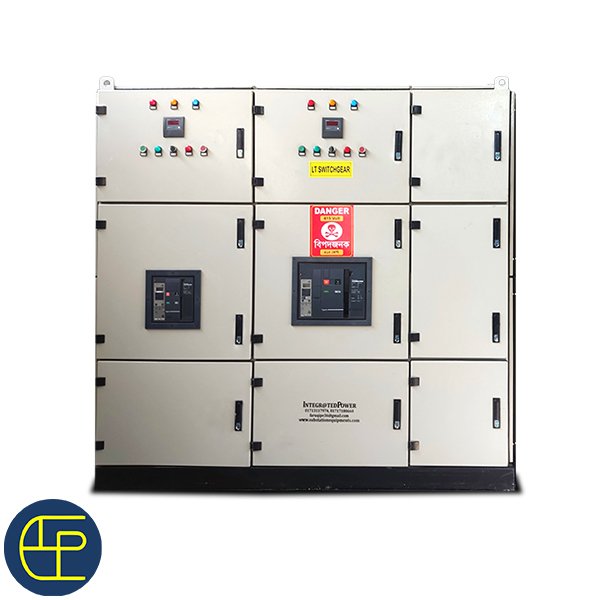
Integrated Power & Engineering designs, manufactures, and supplies Low Tension (LT) Switchgear systems engineered for safe, stable, and efficient low-voltage power distribution. Our LT panels are developed for 415V AC, 3-phase, 4-wire, 50Hz systems, supporting reliable operation across residential, commercial, and industrial power networks throughout Bangladesh.
Designed in line with standard electrical engineering practice, our LT switchgear configurations are transformer-capacity based at the incomer level and load-distribution based at the outgoing feeder level, ensuring correct protection coordination, operational safety, and long service life.
Product Overview
LT Switchgear forms the central low-voltage distribution point in any electrical system. It receives power from distribution transformers and auxiliary sources such as DG sets, UPS systems, or solar inverters, and distributes it safely to downstream circuits through protected feeders.
Our LT panels are designed to:
- Ensure controlled switching and isolation
- Protect against overloads, short circuits, and earth faults
- Support reliable power distribution with minimal downtime
- Enable future system expansion and integration
LT Switchgear Product Range
Integrated Power & Engineering offers a complete range of LT panels, including:
- Main LT Panel (MLTP)
- Power Control Center (PCC)
- Motor Control Center (MCC)
- Distribution Boards (DB / SDB / LDB)
- Changeover Panels & ATS (Grid–DG–UPS)
- Feeder Pillars (Indoor / Outdoor)
- Busbar Trunking Systems (BBT)
- DG Synchronizing & Load Sharing Panels
Panels can be supplied in fixed type or draw-out construction, depending on operational and maintenance requirements.
Technical Specifications
Rated System Voltage
- 415V AC, 3-phase, 4-wire
Frequency
- 50Hz
Rated Current
- Up to 6300A, based on transformer capacity and system design
Short-Circuit Withstand
- Up to 65kA for 1 second, subject to system fault level
Enclosure Protection
- IP42 / IP54 / IP65 (Indoor & Outdoor options)
Busbar System
- Electrolytic copper / aluminium
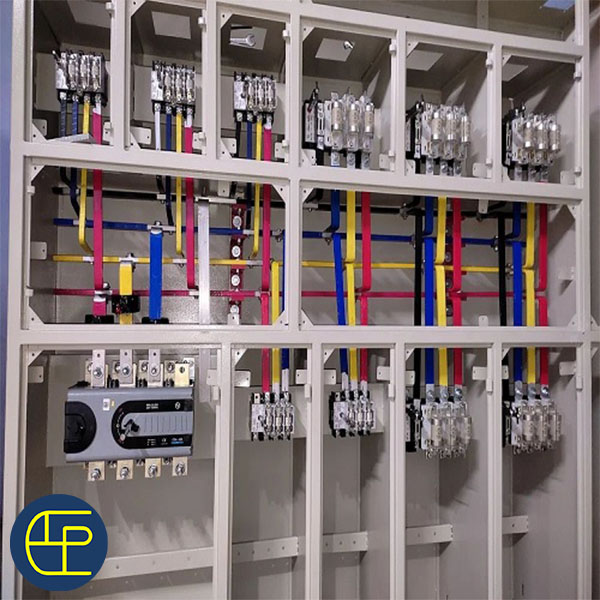
- Fully shrouded and colour-coded
- Designed for thermal and fault withstand requirements
Standards & Compliance
Designed and manufactured in accordance with:
- IEC 61439 / IS 8623
- IEC 60947
- Project-specific and utility technical requirements
Typical LT Switchgear Lineup Philosophy
Transformer-Rated Incomer & Load-Based Outgoing Feeders
Main Incomer Section
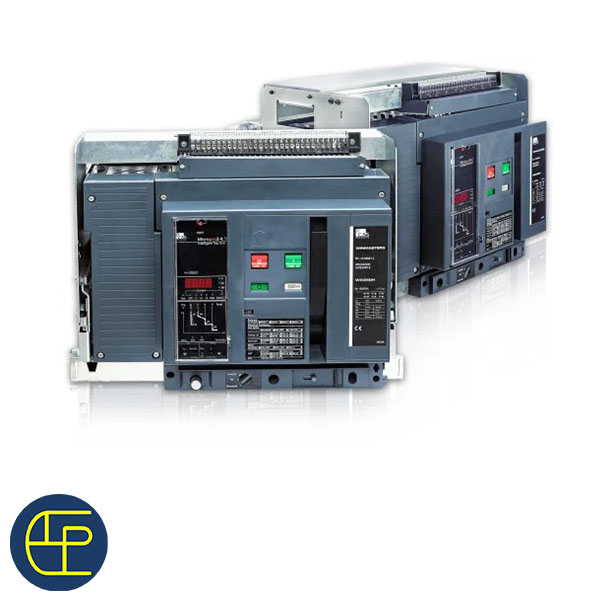
- ACB / MCCB selected based on transformer kVA and fault level
- Busbar sizing matched to rated current and temperature rise limits
- Electrical isolation and protection coordination
- Digital metering (V, A, kW, kWh, PF, Hz) as required
Bus Coupler Section (Optional)
- Used for dual incomer systems or bus sectionalizing
- Enhances operational flexibility and maintenance safety
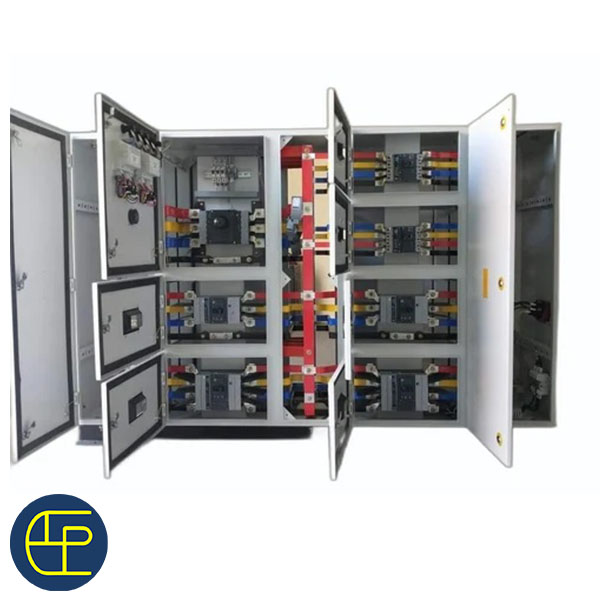
Outgoing Feeder Section
- Feeders grouped by load category (DBs, MCC, HVAC, lifts, pumps, critical loads)
- MCCB / MCB protection with selective coordination
- Provision for spare feeders and future expansion
APFC Section (Optional)
- Automatic power factor correction
- Improves power quality and reduces reactive power penalties
Source Integration (Project-Based)
- DG synchronizing or ATS panels
- UPS-backed critical feeders
- Solar inverter integration
- SCADA / BMS-ready monitoring (optional)
Key Design Advantages
- High operational safety and reliable fault protection
- Modular and scalable design philosophy
- Smart metering and monitoring options
- Energy-efficient operation with APFC integration
- Custom-engineered layouts matched to site constraints
Typical Applications
- Residential & Commercial Buildings
- Hospitals, Universities, and Campuses
- Shopping Malls & IT Parks
- Industrial Plants & Manufacturing Units
- Data Centers & Telecom Facilities
- Hotels, Airports & Metro Systems
- Infrastructure & Utility Services
Why Choose Integrated Power & Engineering?
- Local manufacturing and technical support in Bangladesh
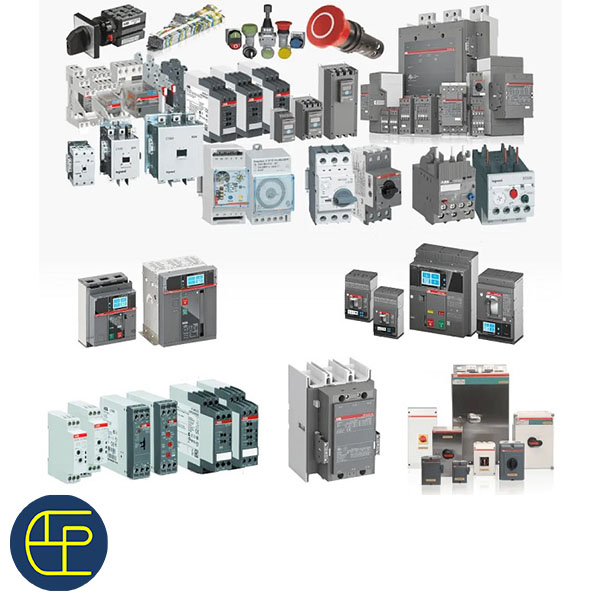
- Certified components (Schneider / ABB / Siemens or approved equivalents)
- Custom designs aligned with transformer rating and load profile
- End-to-end support from design to after-sales service