Power Factor Improvement (PFI) Systems – Capacitor Bank Panel (5 kVAr to 1000+ kVAr) | Integrated Power & Engineering
Automatic & Manual Capacitor Bank Panels
Integrated Power & Engineering
Integrated Power & Engineering designs, manufactures, and supplies Power Factor Improvement (PFI) Systems engineered to enhance electrical efficiency, reduce reactive power demand, and stabilize voltage in industrial and commercial power networks. Our PFI solutions are developed to support utility compliance, reduced system losses, and optimized transformer and feeder utilization—making them a critical component of modern electrical infrastructure in Bangladesh.
Low power factor leads to higher current flow, increased losses in cables and transformers, voltage drops, overheating, and potential utility penalties. A properly engineered PFI system ensures optimal power factor correction, improved system performance, and lower operating costs over the equipment lifecycle.
Product Overview: Power Factor Improvement Systems
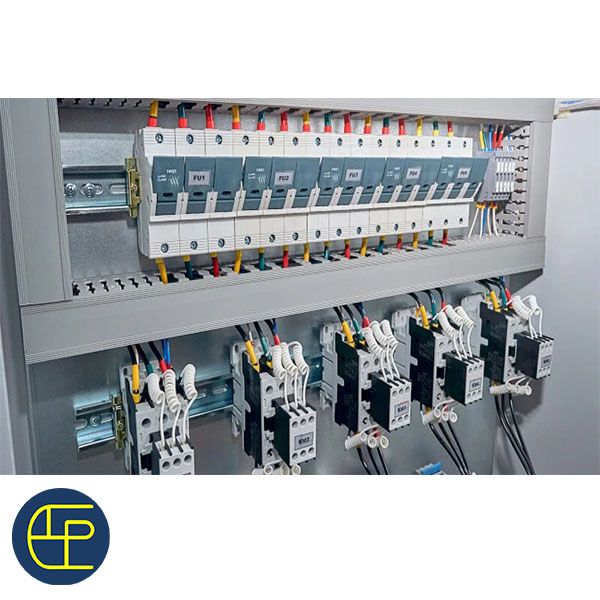
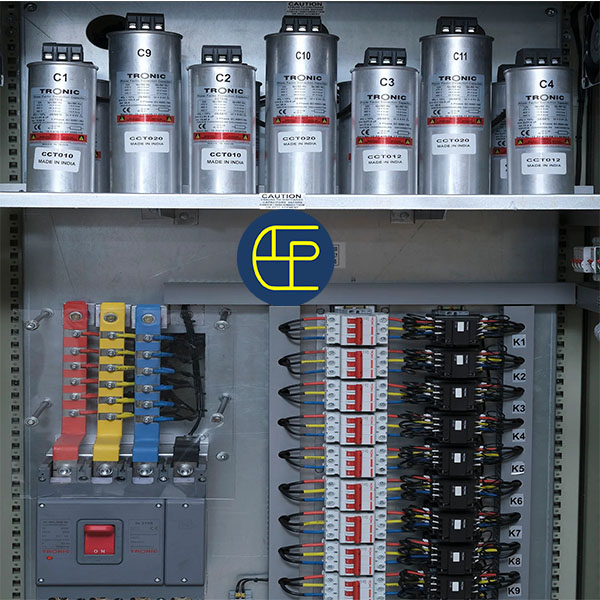
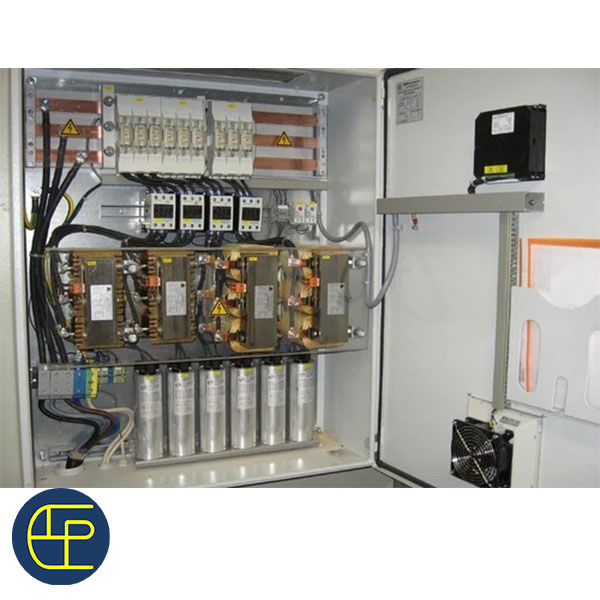
A PFI system improves power factor by compensating reactive power drawn by inductive loads such as motors, pumps, compressors, chillers, elevators, welding machines, and HVAC systems. By introducing capacitor banks into the system, reactive current is reduced, resulting in:
- Lower current flow in cables and transformers
- Reduced system losses and heat generation
- Improved voltage stability
- Increased usable capacity of existing electrical infrastructure
Integrated Power & Engineering supplies both Manual PFI and Automatic PFI systems, engineered based on site load profile, variation pattern, and target power factor.
Technical Specifications
Reactive Power Rating
- 5 kVAr to 1000+ kVAr
- Custom-built capacities based on load analysis and correction requirement
System Voltage & Frequency
- 415V AC, 3-phase, 50Hz
- Other system voltages available on request
System Configuration
- Manual PFI System
- Automatic PFI System
Capacitor Type
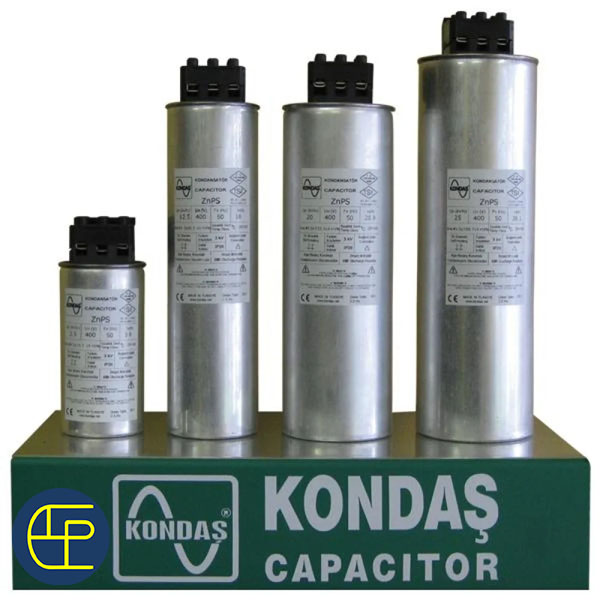
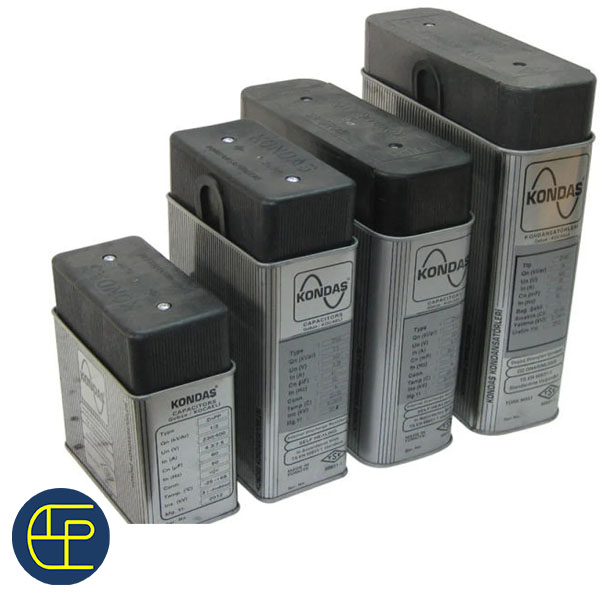
- Heavy-duty, low-loss, self-healing capacitors
- Dry-type or oil-filled (as per duty and application)
Control System (Automatic PFI)
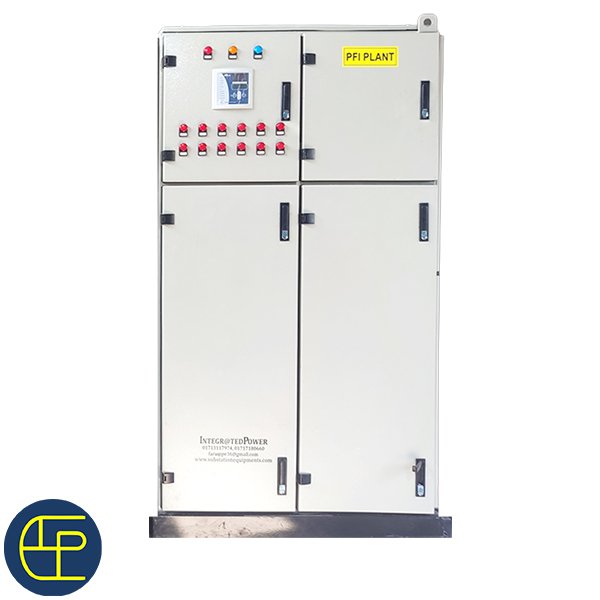
- Microprocessor-based PFI relay with:
- Real-time power factor monitoring
- Programmable correction steps
- Alarm and protection functions
Step Configuration
- 1-step to 16-step or higher
- Step sizing optimized for load variation and stability
Enclosure & Protection
- Indoor / Outdoor construction
- IP42 to IP54
- Powder-coated steel enclosure (stainless steel optional)
Standards & Compliance
Designed and manufactured in accordance with:
- IEC 60831
- IS 13340 / IS 13341
- Utility and project-specific technical requirements
Key Design Features & Advantages
Automatic Power Factor Correction
Relay-controlled capacitor switching maintains stable power factor during load fluctuations, preventing over- or under-compensation.
Energy Efficiency & Loss Reduction
Lower reactive current reduces I²R losses in cables, transformers, and switchgear, improving overall system efficiency.
Electrical Safety & Reliability
Designed with discharge resistors, protection coordination, and optional surge protection to ensure safe and reliable operation.
Modular & Expandable Design
Capacitor steps and total kVAr can be expanded to support future load growth or system upgrades.
Long Service Life
Low-loss capacitors and proper thermal design reduce heat stress and enhance operational longevity.
Smart Monitoring (Optional)
Provision for SCADA/BMS integration, data logging, and alarm monitoring for centralized supervision.
Typical Applications
- Industrial Plants & Manufacturing Units
- Commercial Complexes & Shopping Malls
- Hospitals, Universities & Campuses
- Hotels, Airports & Metro/Rail Infrastructure
- Cold Storage & Warehousing Facilities
- Utility Distribution & Substations
- Any installation with inductive electrical loads
Why Choose Integrated Power & Engineering?
- Load-based, project-specific PFI system design
- High-quality capacitors and control components
- Local engineering, commissioning, and service support in Bangladesh
- Proven performance across industrial and commercial sectors
- Complete solution from engineering to after-sales support